
7 Days in Central Hokkaido: The One Mistake Almost Everyone Makes
Discover a seven-day Central Hokkaido itinerary that avoids common backtracking mistakes by flying into Asahikawa and out of Sapporo.
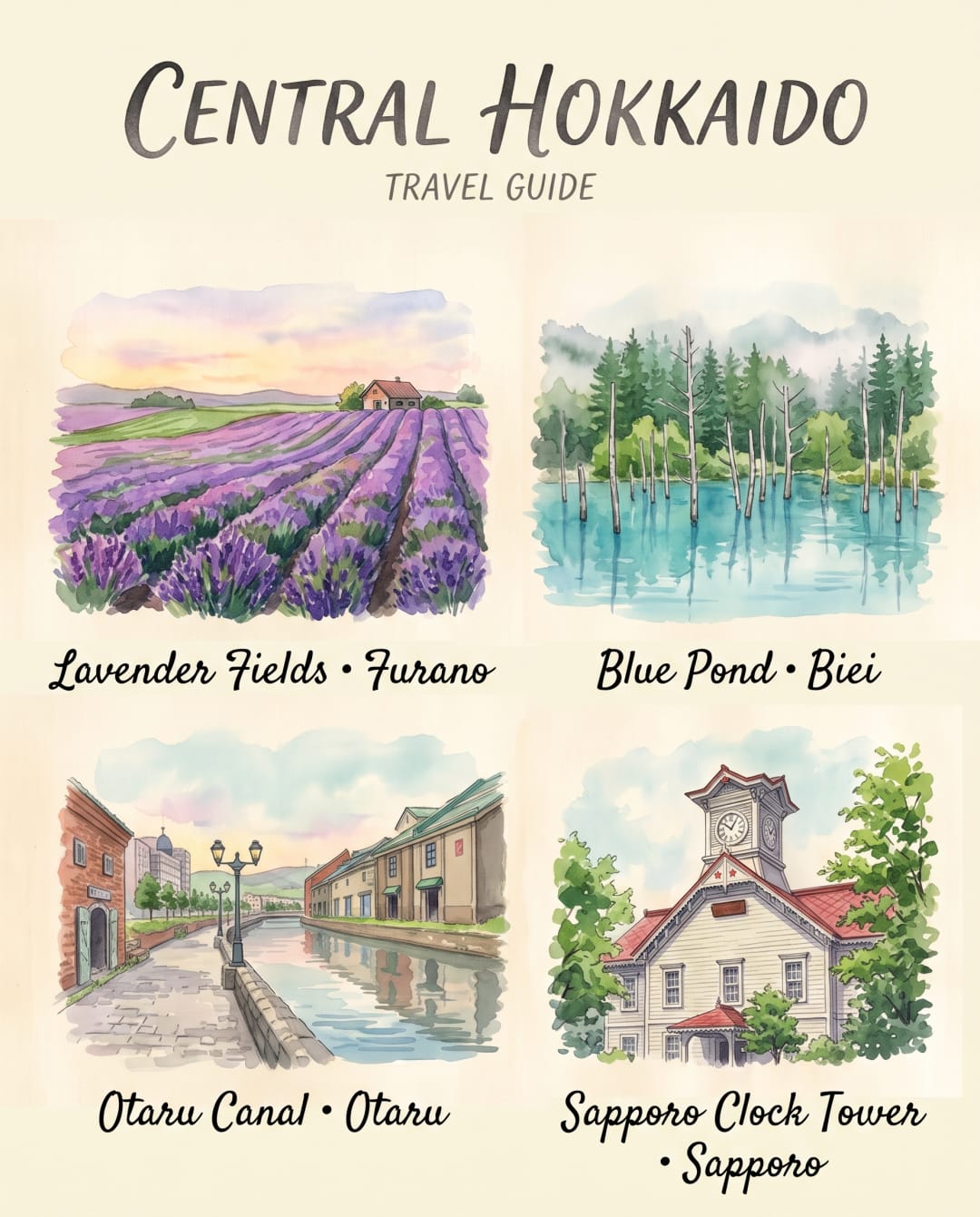
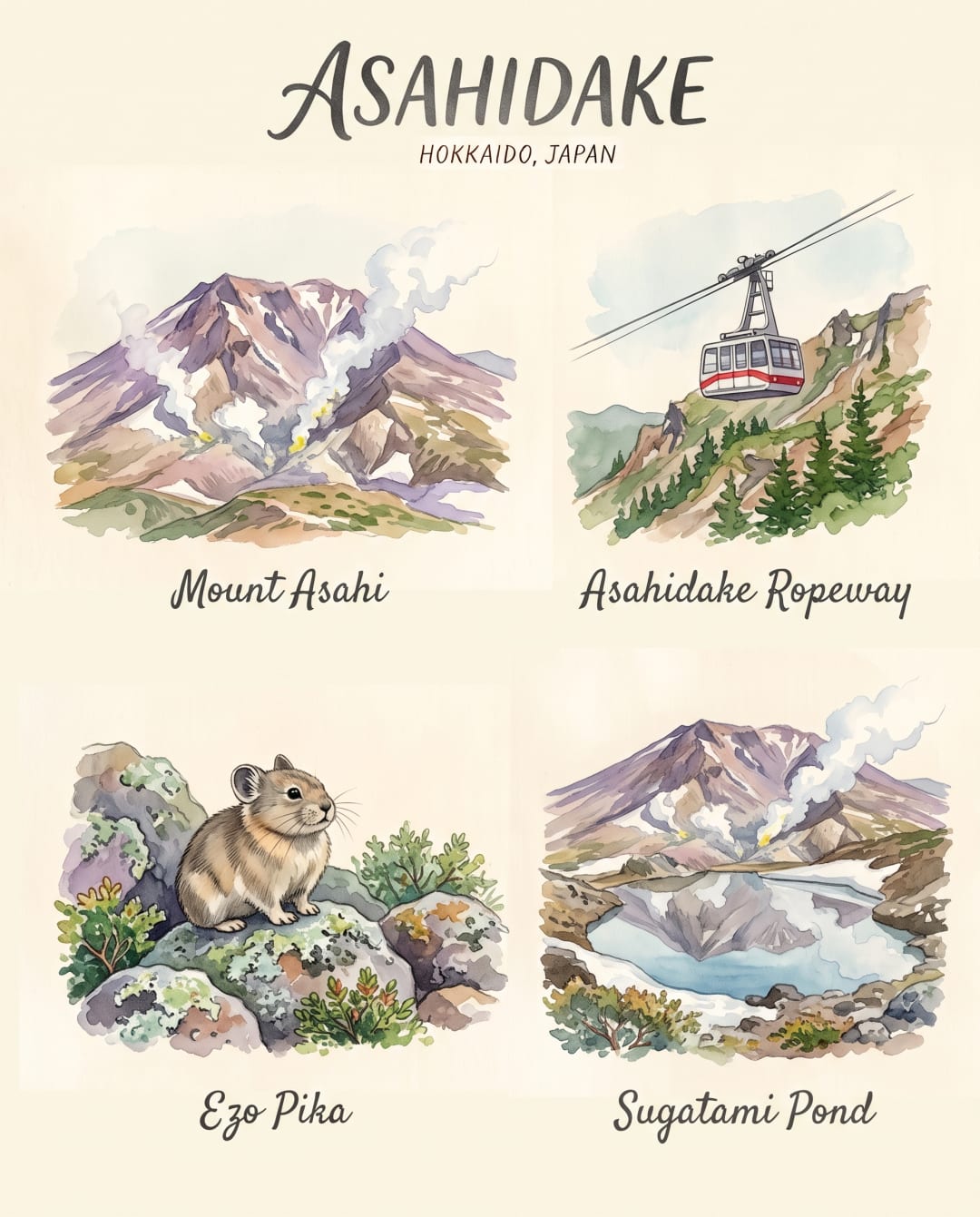


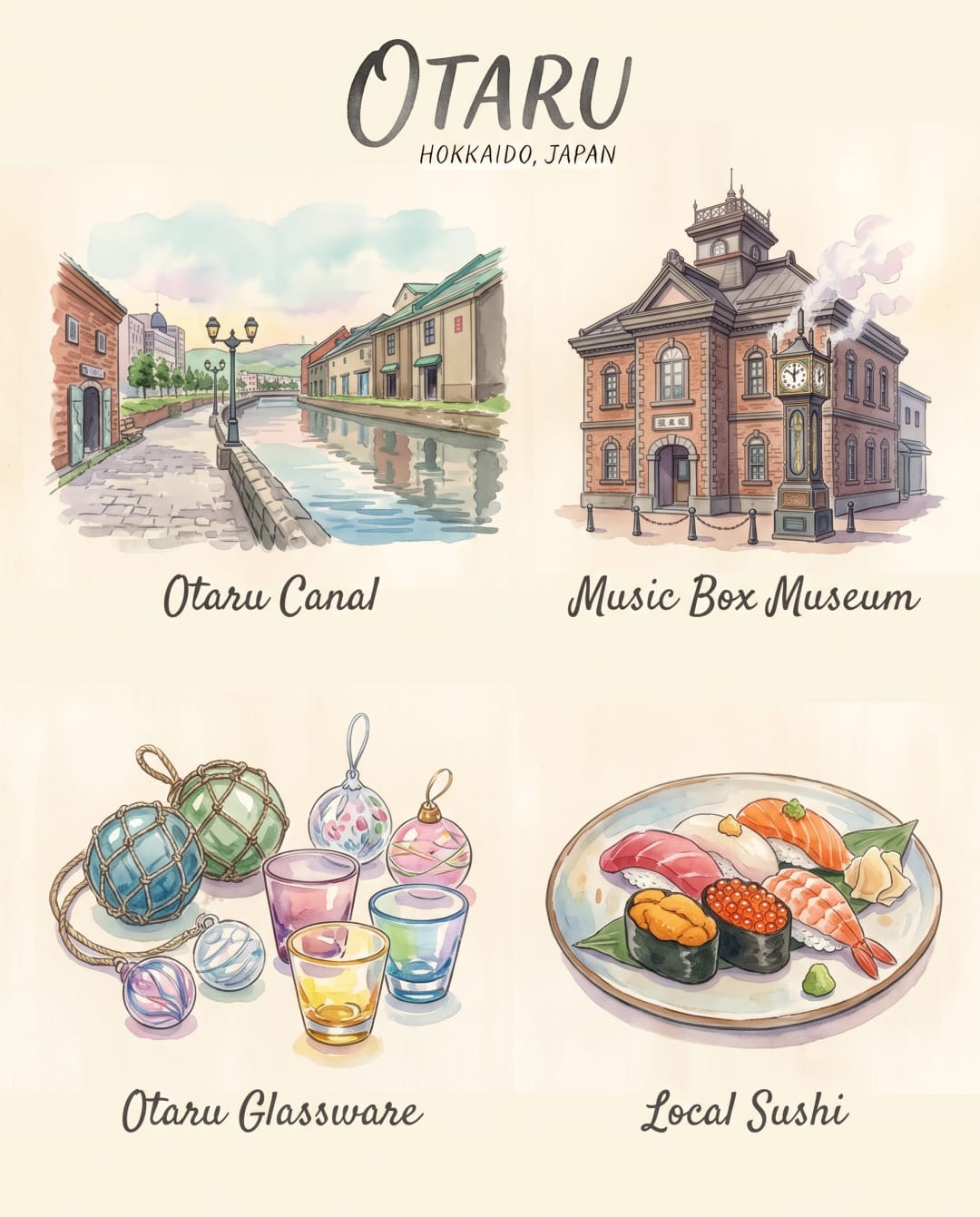
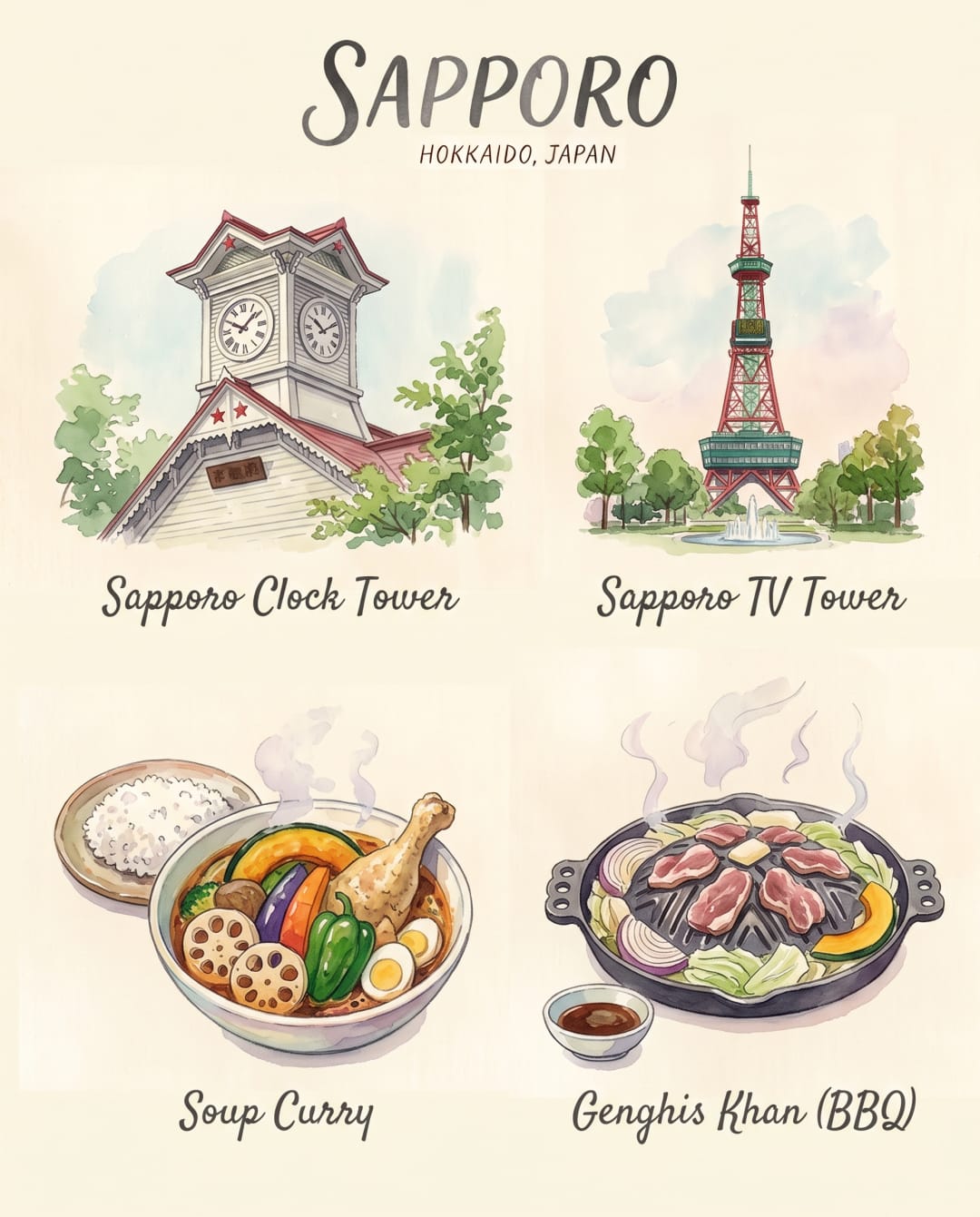
How to Plan a 7-Day Central Hokkaido Route Without Backtracking
TL;DR: Most travelers make the mistake of using Sapporo as a single base for their Central Hokkaido trip, which results in hours of daily backtracking. By flying into Asahikawa instead and flying out of Sapporo, you open up a seamless central loop. This route allows you to efficiently visit the Blue Pond in Biei, the flower fields of Furano, the hiking routes of Asahidake, and the magical streets of Otaru before finishing your trip in Sapporo.
In my travel series, I focus on introducing you to regions outside the standard golden route of Japan. While the golden route is popular for a reason, exploring other islands like Hokkaido provides a completely different perspective on the country. Hokkaido is known for its vast landscapes, agricultural regions, and unique regional dishes. However, because of its massive size, planning a trip here requires careful logistical consideration.
When planning a seven-day itinerary in Central Hokkaido, there is one major mistake that almost everyone makes. This single error can cost you hours of valuable vacation time spent sitting in transit rather than actually enjoying the destination. In this guide, I will explain exactly what that mistake is, how to fix it with a simple routing swap, and outline the key destinations you should include in your central loop, from the screensaver-like hills of Biei to the historic streets of Otaru.
The Routing Mistake
The most common error travelers make is using Sapporo as a single base for their entire trip. Because Sapporo is the largest and most famous city in Hokkaido, it feels like the natural starting point and ending point for a vacation. Travelers will typically book a round-trip flight into Sapporo, check into a hotel in the city for all seven days, and attempt to see the rest of Central Hokkaido through a series of long day trips.
This hub-and-spoke method creates a massive amount of backtracking. Every time you want to visit the flower fields or the national parks, you have to travel out from Sapporo in the morning and travel the exact same route back to Sapporo in the evening.
The solution is a single swap: fly into Asahikawa instead.
By booking your arrival flight into Asahikawa and your departure flight out of Sapporo, you eliminate the need to retrace your steps. This point-to-point routing removes the backtracking entirely and opens up the whole central loop. You can slowly make your way south and west over the course of your seven days, ending your journey exactly where you need to be for your flight home.
Why the Asahikawa Swap Works
When you fly into Asahikawa, you are landing directly adjacent to the natural highlights of the region. Asahikawa serves as the perfect gateway to the central loop. By starting here, your travel time on the first few days is drastically reduced. Instead of spending hours on a train or in a rental car just to reach the starting line, you wake up right next to your first destinations.
This routing strategy is all about maximizing your time on the ground. Every hour you save by not backtracking to Sapporo is an hour you can spend enjoying the flower fields, hiking the national park, or exploring the magical streets of Otaru.
The Central Hokkaido Loop
Once you arrive in Asahikawa, you are perfectly positioned to begin exploring the natural highlights of the region. Instead of a long transit day starting from Sapporo, you can immediately start your itinerary in the heart of the island.
Biei and Its Natural Wonders
The first major area to focus on after arriving in Asahikawa is Biei. This region is defined by its striking natural features and rolling landscapes. Because you are not rushing back to a base in Sapporo, you have ample time to take in the scenery.
- Blue Pond: This is one of the most famous sights in the area, known exactly for what its name suggests. The water here is a striking focal point for the region.
- Shirahige Falls: Located in the same general vicinity, this waterfall is a necessary stop on your route through Biei. The water cascading down makes it a memorable sight.
- Patchwork Hills: As you move through the area, you will see the Patchwork Hills. The landscape here is so pristine and perfectly arranged that the hills look exactly like a classic computer screensaver. Together with the pond and falls, these sights make Biei a highly visual destination.
Furano and the Flower Fields
Following the landscape south from Biei, you will make your way down to Furano. While Biei is known for its ponds and waterfalls, Furano is famous for its agriculture and flora.
- Flower Fields: Furano is home to stunning flower fields that draw visitors from all over. The fields are meticulously maintained and offer a vibrant contrast to the surrounding landscapes.
- Farms: The agricultural presence here is massive, with farms stretching out as far as you can see. Walking through these areas gives you a true sense of the agricultural scale of Hokkaido.
Asahidake and the National Park
After exploring the agricultural beauty of Furano, the itinerary shifts toward the mountains. You will head to Asahidake, which offers a completely different environment compared to the rolling hills you just left behind.
- Asahidake Ropeway: To access the higher elevations without a grueling climb, you will ride the Asahidake ropeway up into the mountains. The ropeway is the most efficient way to access this terrain.
- Japan's Largest National Park: The ropeway takes you directly into Japan's largest national park, providing a sense of scale that is hard to find elsewhere in the country. It offers an expansive, untouched wilderness.
- Hiking Routes: Once you reach the top of the ropeway, you will find stunning hiking routes that allow you to explore the alpine landscape on foot. The trails spread out before you, offering various ways to experience the environment.
Otaru and the Coast
As you complete the central loop and head toward the coast, you will take a trip to the city of Otaru. This city provides a stark contrast to the rural farms and national parks you visited earlier in the week.
- The Canal: The Otaru canal is the defining landmark of the city and a central point for visitors walking through the area. It served as a vital part of the city's infrastructure historically.
- Magical Streets: Walking through Otaru feels distinct. The architecture and atmosphere create magical streets that look like they were pulled straight out of a film set. The preserved buildings give the area its unique quality.
- Double Fromage: While in Otaru, you must try the delicious double fromage, a local specialty that the area is known for.
Ending in Sapporo
The final stop on your seven-day itinerary is Sapporo. By structuring your trip this way, you only arrive in the city when you are ready to explore it before flying home. Sapporo is a major hub for food and drink, making it the perfect place to conclude your journey.
Culinary Highlights in Sapporo
Sapporo is widely considered a major food city in Japan, and ending your trip here means you can celebrate the end of your journey with some memorable meals. When you reach Sapporo, there are three specific culinary items you need to seek out before you leave:
- Soup Curry: This is a regional dish that you must eat while in the city.
- Miso Ramen: Sapporo is famous for its rich miso ramen, which is a staple of the local food scene.
- Japan's Oldest Beer: You can pair your meals with Japan's oldest beer, which has its roots right here in Sapporo.
After you have explored the city and eaten your fill of soup curry and miso ramen, you simply fly out of Sapporo. Because you started in Asahikawa and moved sequentially through Biei, Furano, Asahidake, and Otaru, you have successfully completed your seven days with absolutely no backtracking.
Expanding Your Hokkaido Travels
This seven-day central loop is just one way to experience the island. If you have more time to spend in the region, I have more resources available for your planning.
- 14-Day Itinerary: If you are planning a longer vacation, follow along for my extended 14-day itinerary, which I will be sharing next.
- Eastern Hokkaido: If you want to see a completely different side of the island, you can go back and watch my previous guide covering the Eastern Hokkaido foot trail.
By rethinking your arrival and departure airports, you can save time, avoid frustration, and see far more of what makes Central Hokkaido so special. Save this route for your own Hokkaido trip, and enjoy the journey from Asahikawa to Sapporo.