
How to Avoid Seafood Tourist Traps in Japan (and Where to Go Instead)
Learn how to spot overpriced seafood traps in Japan, find authentic local markets across the country, and save on high-quality sushi and sashimi.
A Traveler Guide to Finding Honest Seafood Across Japan
TL;DR: Main tourist markets across Japan often feature steep markups on street food, oversized seafood bowls, and entrance-row stalls. By stepping just two blocks away, seeking out wholesale markets, and looking for signs offering local catch of the day, you can enjoy better quality seafood at local prices. Visiting department store food basements after 7 PM is another practical way to find premium sushi and sashimi at a discount.
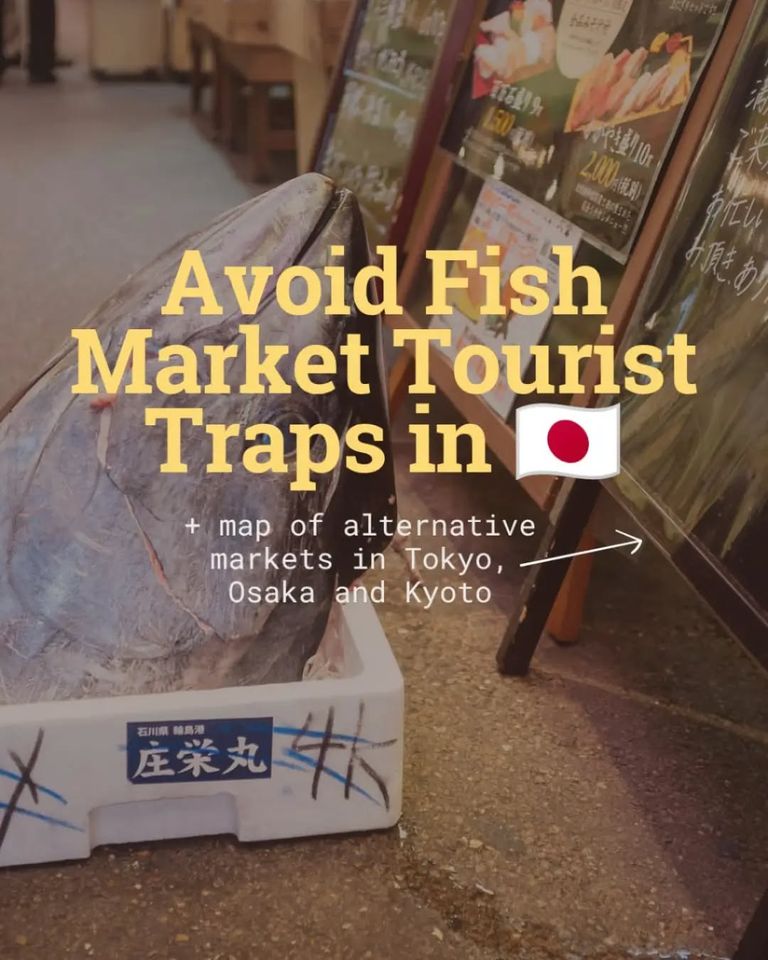
When planning a trip to Japan, exploring the local food markets is usually near the top of the list. We often picture bustling market alleys, fresh catches sliced on the spot, and authentic morning meals shared with neighborhood residents. In recent years, however, popular tourist markets across the country have shifted. Rising visitor numbers and currency trends have given rise to steep markups, crowded entrance zones, and vendors catering almost entirely to international travelers willing to pay premium rates.
During my travels across Japan, I have learned that avoiding these tourist traps does not mean giving up on incredible seafood. It simply requires knowing how these markets operate, recognizing inflated prices, and learning where local residents actually go for their morning catch. With a few practical habits and a list of reliable alternative markets, you can eat exceptionally well without overpaying.
Common Traps in Major Tourist Markets
The most famous outer markets in Japan are designed to capture attention immediately. As soon as you step off the main street, you are met with bright signage, multilingual menus, and displays of grilled seafood placed right at eye level.
Outer markets often place their most overpriced stalls directly near the main entrances. Vendors know that many visitors will purchase the first appealing item they see rather than walking deeper into the market grid. These front-row stalls tend to rely on high foot traffic and novelty value rather than returning local clientele. If you want to find reasonable prices and authentic offerings within these areas, make a habit of walking past the perimeter stalls and heading into the deeper back alleys.
Another common trap involves pre-cooked frozen skewers and novelty street food. Viral snacks, such as grilled sea urchin cups or skewered shellfish, often carry massive markups despite offering mediocre freshness. Pre-cooked items that sit on display warmers or are quickly torched for visual effect rarely match the standard of fresh, raw seafood prepared to order.
The Problem with Street Vendor Skewers
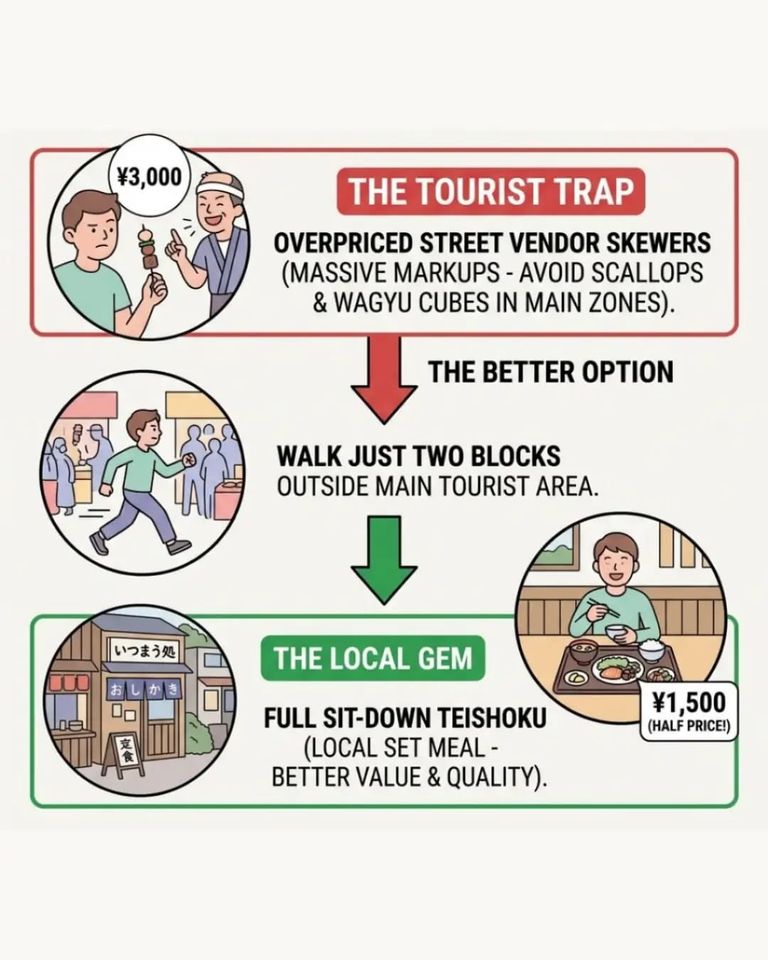
In major outer markets, street vendor skewers have become one of the most visible ways travelers overspend. It is common to see individual skewers of scallops or cubes of Wagyu beef priced at 3,000 yen each. While these items look convenient for eating on the go, they represent an enormous markup for a single bite of food.
When you encounter these 3,000 yen skewers in main tourist zones, the best option is to keep walking. By leaving the main market street and walking just two blocks outside the tourist area, you enter ordinary neighborhood streets where prices drop significantly.
In those surrounding blocks, you will frequently find traditional neighborhood eateries offering a full sit-down teishoku, or local set meal. A complete teishoku typically includes a main dish of freshly prepared fish or meat, rice, miso soup, and side dishes for around 1,500 yen. That is half the price of a single street skewer, and it provides a far more satisfying, higher-quality dining experience where you can sit comfortably and enjoy your meal like a local.
Navigating Kaisendon and the Inbound-Don Phenomenon
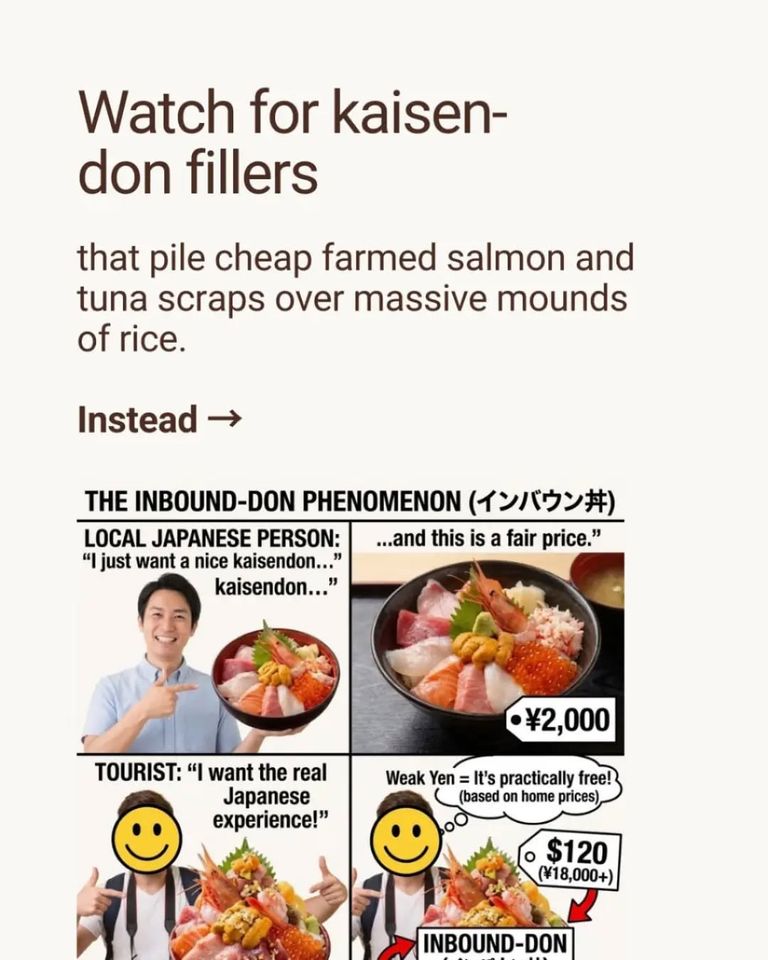
Seafood rice bowls, known as kaisendon, are a staple of market visits. However, they have also become the focal point of a pricing trend often referred to in Japan as the inbound-don phenomenon.
In tourist-heavy markets, certain shops cater directly to travelers who perceive prices through the lens of favorable exchange rates. A visitor might look at an oversized seafood bowl priced at 18,000 yen or more (around 120 US dollars) and assume it is a bargain compared to dining costs back home. In reality, these expensive bowls often rely on visual excess rather than quality. Many of them are piled high with cheap farmed salmon, tuna scraps, and filler ingredients spread over massive mounds of rice to create an illusion of luxury.
A local resident looking for a quality kaisendon typically expects to pay around 2,000 yen for a fair, well-balanced bowl containing fresh seasonal ingredients. To avoid paying inflated inbound prices, look past the towering, photo-centric bowls and focus on shops that serve traditionally portioned meals at standard local rates.
Seeking Out Ji-Sakana for Freshness and Value
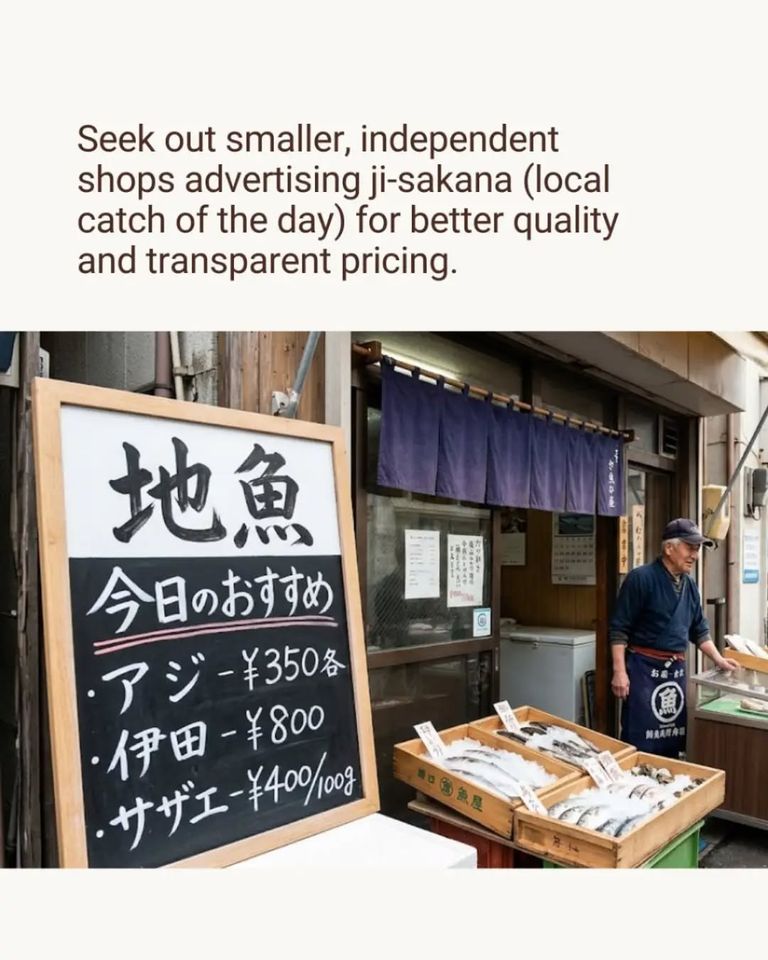
One of the most effective ways to ensure you are getting genuine quality is to seek out smaller, independent fishmongers and restaurants that advertise ji-sakana. The term ji-sakana refers to the local catch of the day, meaning seafood caught in nearby regional waters rather than imported or mass-farmed products.
Shops that focus on ji-sakana typically display their daily selections on simple chalkboard menus with clear, transparent pricing. For example, a local neighborhood fish shop might list fresh horse mackerel (aji) for around 350 yen each, seasonal catches like ida for 800 yen, or turban shell sea snails (sazae) for 400 yen per 100 grams. These establishments cater to neighborhood cooks who demand freshness and fair pricing, making them an excellent choice for an authentic seafood experience.
The Depachika Strategy for Evening Dining
You do not have to visit a morning market to find exceptional sashimi and sushi in Japan. One of my favorite methods for securing top-tier seafood involves visiting the basement food halls of major department stores, known collectively as depachika.
Department stores in Japan maintain rigorous standards for their food halls. The seafood counters in these basements source pristine sushi and sashimi cuts from premier wholesale suppliers, often rivaling the quality found in high-end specialty restaurants.
To take advantage of this quality at a fraction of the cost, visit a depachika late in the evening, specifically after 7 PM. Because these department stores pride themselves on absolute freshness, staff apply markdown stickers to clear their daily stock before closing. Pristine sushi boxes and sashimi platters are routinely discounted by 20% to 50%.
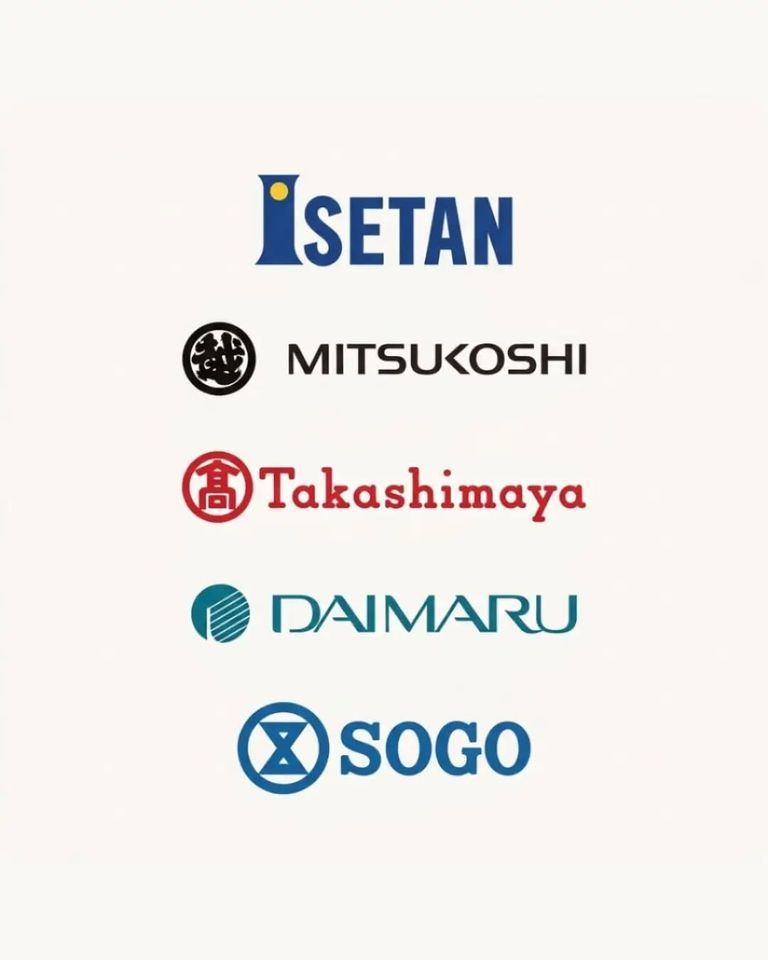
Look for major department store locations across Japan, including:
- Isetan
- Mitsukoshi
- Takashimaya
- Daimaru
- Sogo
Picking up discounted sashimi sets from a depachika is a convenient, cost-effective way to assemble a high-grade dinner in your hotel room.
Tokyo Seafood Alternatives
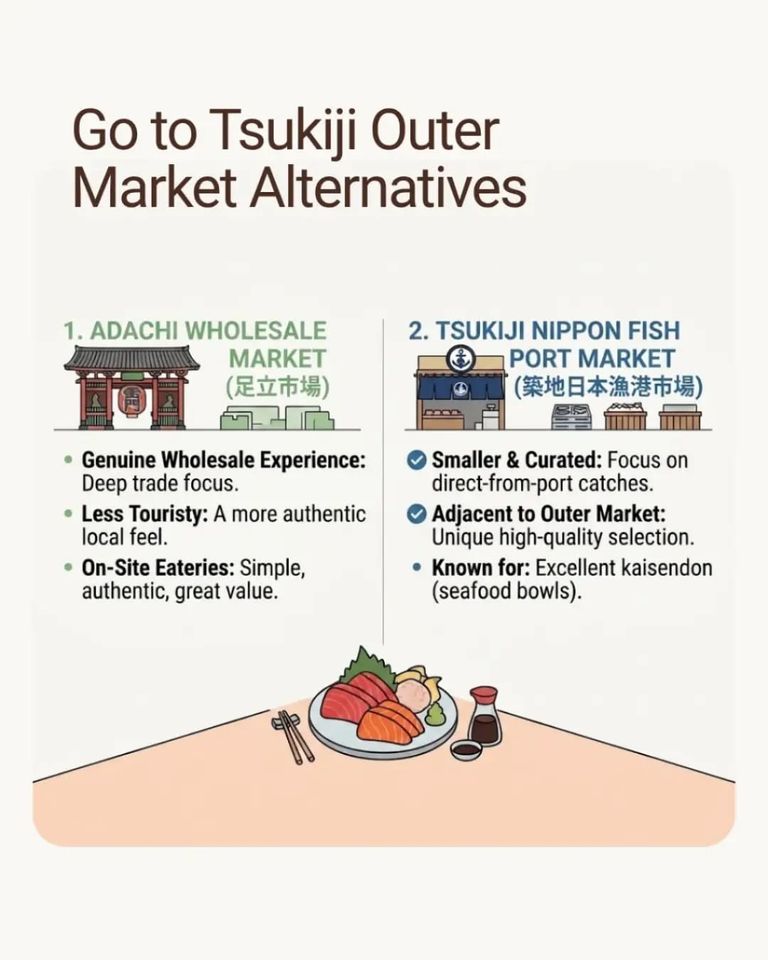
Tokyo is home to Tsukiji Outer Market and Toyosu Market, both of which draw massive numbers of visitors every morning. If you want a genuine market atmosphere without the tourist crowds, consider heading north to Adachi Wholesale Market.
Adachi Wholesale Market offers a genuine wholesale experience with a deep trade focus. Because it is far less touristy than Tsukiji or Toyosu, it retains an authentic local feel where professional buyers conduct daily business. The on-site eateries at Adachi Wholesale Market serve simple, authentic seafood meals that deliver great value.
If you do find yourself near the Tsukiji area, another option is Tsukiji Nippon Fish Port Market. Located adjacent to the main Tsukiji Outer Market, this facility is smaller and curated, focusing specifically on catches shipped directly from regional fishing ports. It offers a unique, high-quality selection and is especially known for excellent kaisendon.
Alternative Fish Markets Across Japan
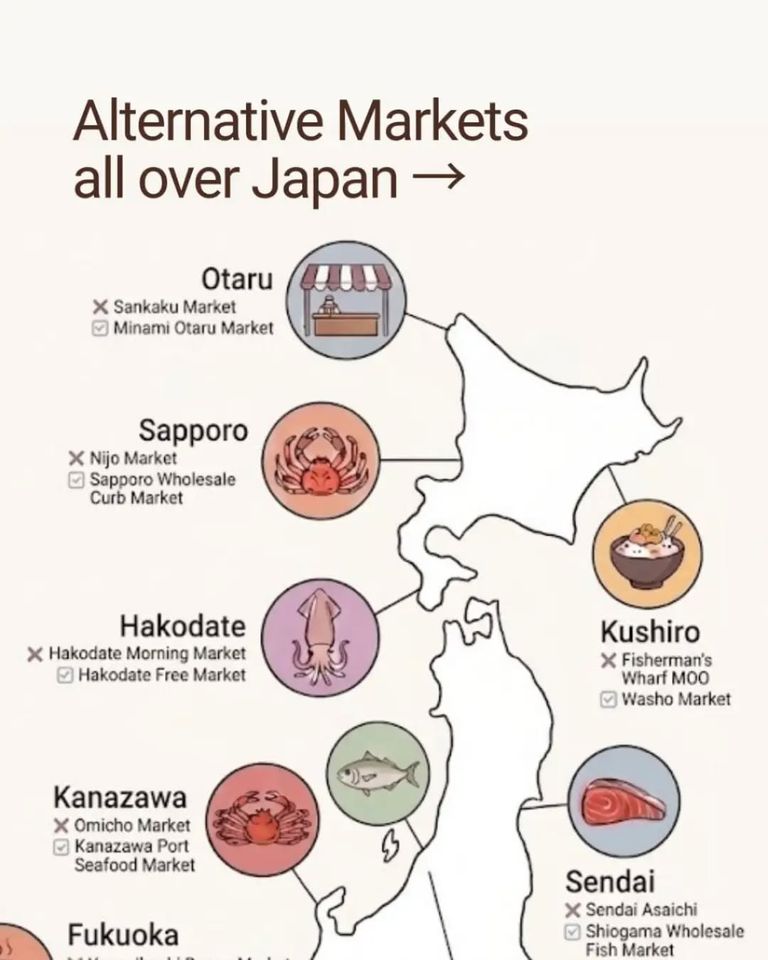
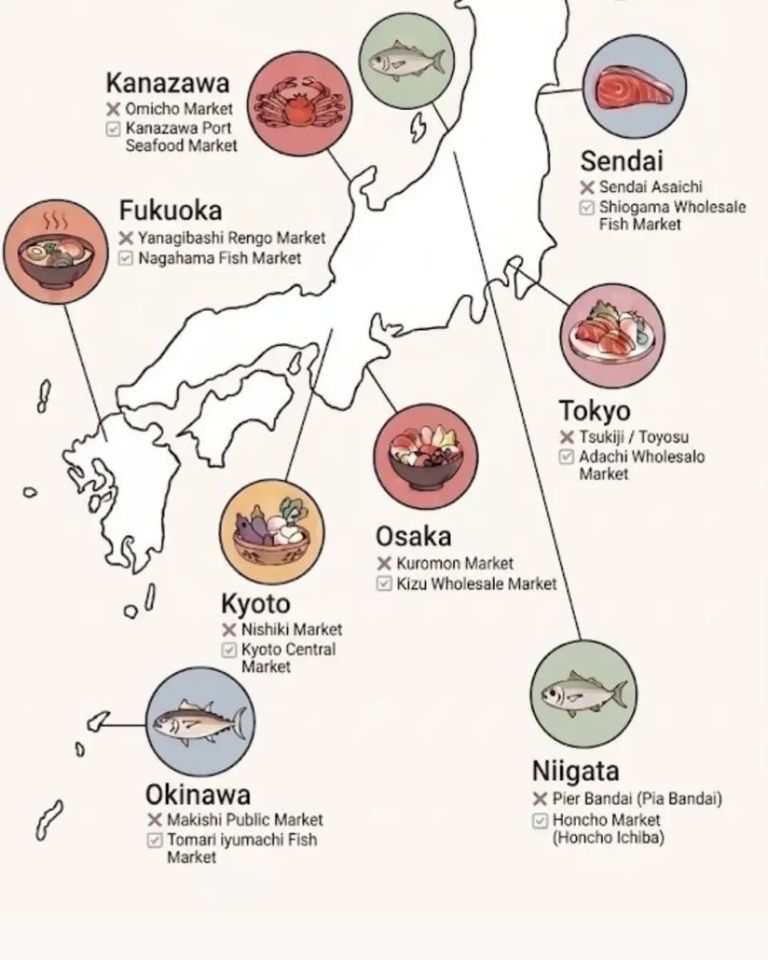
The dynamic between tourist-oriented markets and local wholesale hubs exists in nearly every major city across Japan. If you want to bypass the crowds and inflated prices, here is a practical map of alternative markets to seek out across the country.
Hokkaido
- Sapporo: Skip Nijo Market and head instead to Sapporo Wholesale Curb Market.
- Otaru: Skip Sankaku Market and visit Minami Otaru Market.
- Hakodate: Skip Hakodate Morning Market and choose Hakodate Free Market.
- Kushiro: Skip Fisherman's Wharf MOO and spend your morning at Washo Market.
Tohoku and Chubu
- Sendai: Skip Sendai Asaichi and travel out to Shiogama Wholesale Fish Market.
- Niigata: Skip Pier Bandai (Pia Bandai) and explore Honcho Market, also known as Honcho Ichiba.
- Kanazawa: Skip Omicho Market and make your way to Kanazawa Port Seafood Market.
Kansai
- Kyoto: Skip Nishiki Market and visit Kyoto Central Market for a focus on wholesale food trade.
- Osaka: Skip Kuromon Market and explore Kizu Wholesale Market for local prices and morning dining.
Kyushu and Okinawa
- Fukuoka: Skip Yanagibashi Rengo Market and head to Nagahama Fish Market.
- Okinawa: Skip Makishi Public Market and visit Tomari Iyumachi Fish Market.
By choosing these alternative locations, stepping away from main entrance stalls, and shopping smart in department store basements, you can experience the best seafood Japan has to offer while supporting authentic local markets.