
Haunted Tokyo Tourist Spots You Have Probably Visited Without Knowing
Discover the dark history and urban legends behind seven of Tokyo's most popular sightseeing destinations, from Asakusa to Shibuya.
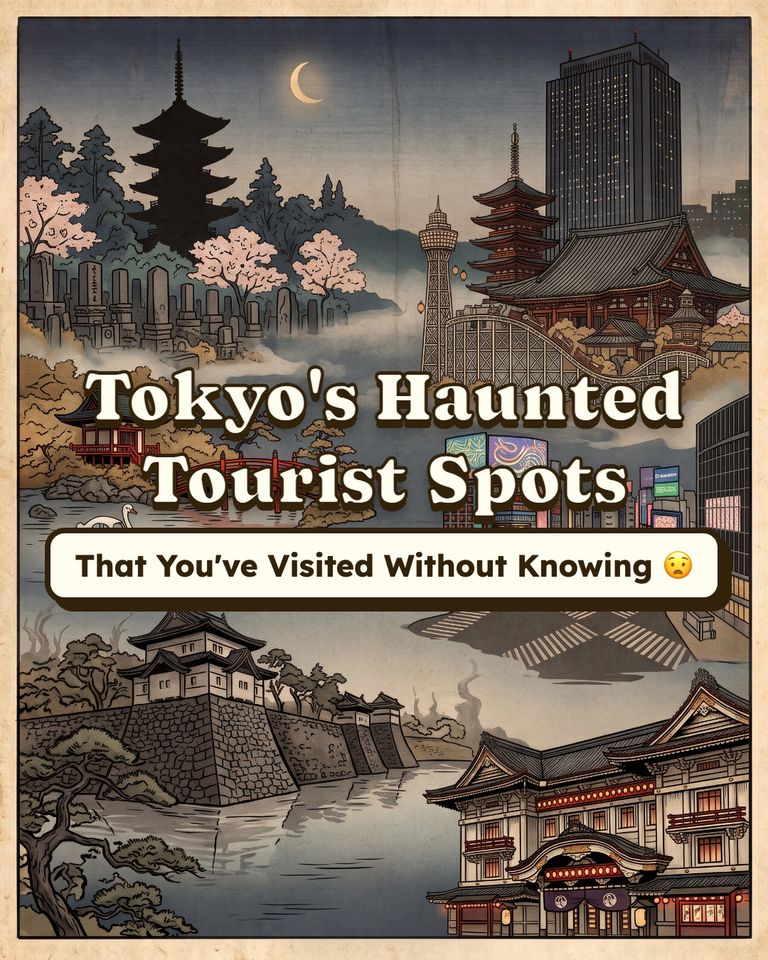
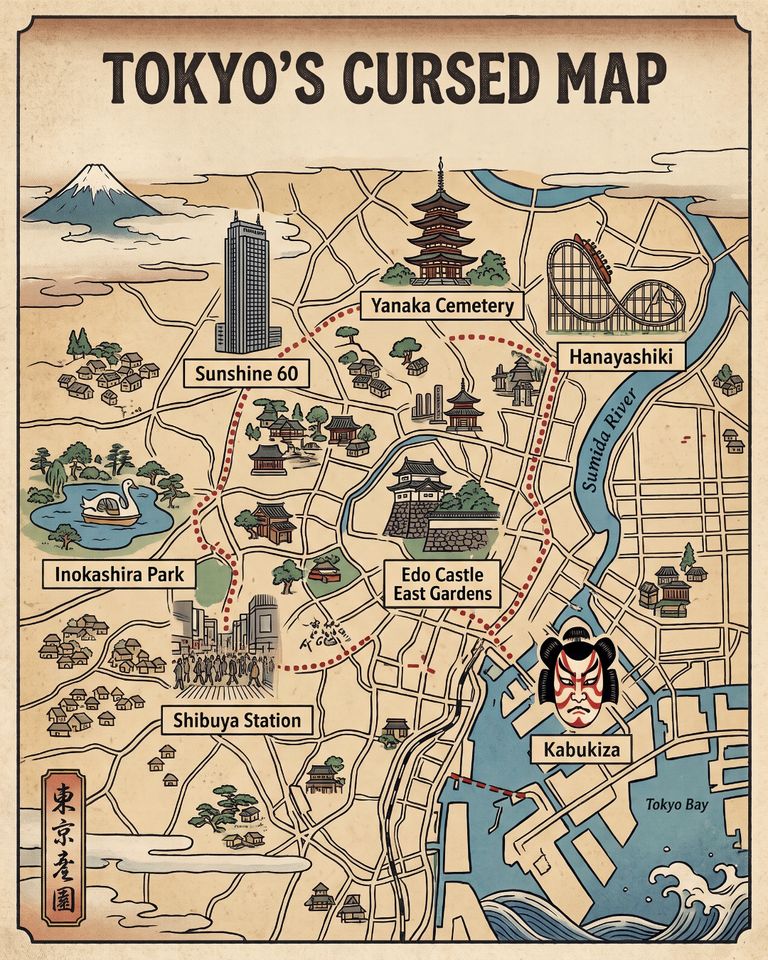
Seven Haunted Tokyo Tourist Spots You Have Probably Visited Without Knowing
TL;DR: Tokyo is filled with bustling shopping complexes, historic parks, and cultural landmarks that conceal dark histories and restless urban legends. From ancient human sacrifices beneath castle walls to amusement park curses and station spirits, several major attractions carry eerie backstories. Here is what you should know about the legends attached to seven popular sightseeing destinations across the city.
When planning a trip through Tokyo, most travelers assemble an itinerary centered around famous landmarks, historic temples, scenic parks, and modern entertainment complexes. I have spent countless hours navigating these neighborhoods, admiring their architecture, sampling local foods, and enjoying the lively rhythm of the city. Yet beneath the modern surfaces and peaceful garden paths, Tokyo retains a deep layer of folk memory, urban mythology, and documented historical tragedies.
Many visitors walk directly through these sites without ever realizing the strange tales attached to them. Learning about the folklore does not mean you have to cross these places off your map. Instead, understanding the local legends enriches your travel experience, offering a deeper perspective on how history, superstition, and daily life intersect across the capital.
Hanayashiki in Asakusa: The Curse of the Ancient Cherry Tree
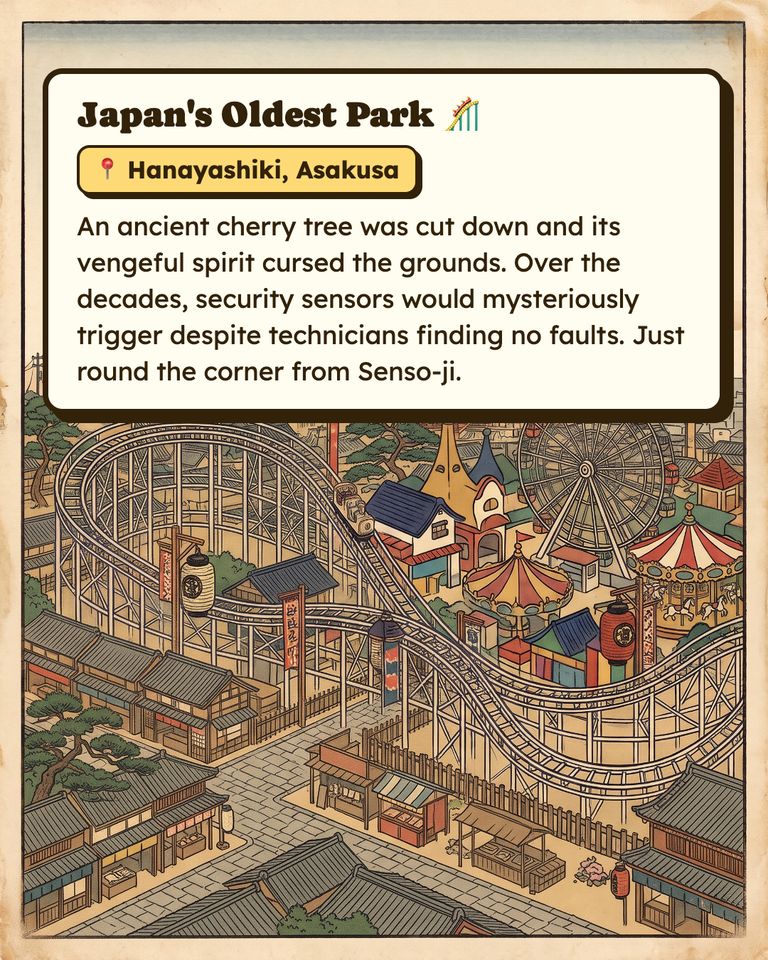
Asakusa is known worldwide for its grand temple complex, but just round the corner from Senso-ji sits Hanayashiki, recognized as the oldest amusement park in Japan. Its compact footprint is packed with retro attractions, including a historic roller coaster that dates back to 1953. For families and nostalgic travelers, it offers a distinct contrast to the sprawling modern theme parks found elsewhere.
Beneath its playful exterior lies a persistent local legend involving an ancient cherry tree that once stood on the property. According to the story, the tree was cut down during park development, and its vengeful spirit cursed the grounds. Over the decades that followed, park workers reported that security sensors across the property would mysteriously trigger during the night. Whenever technicians arrived to inspect the system, they could find no mechanical or electrical faults to explain why the alarms were sounding.
If you are exploring the neighborhood around Senso-ji, Hanayashiki is an easy addition to your walking route. Walking past its perimeter or stepping inside to see the 1953 coaster lets you witness a unique piece of mid-century amusement history while keeping in mind the quiet legend of the spirit that refused to leave.
Yanaka Cemetery: The Tragic Remains of the Five-Story Pagoda
Yanaka is celebrated as one of the few districts in Tokyo that preserves an older, low-rise atmosphere. At its center lies Yanaka Cemetery, an atmospheric graveyard filled with weathered stone markers, quiet alleys, and mature trees that draw peaceful strolls throughout the year.
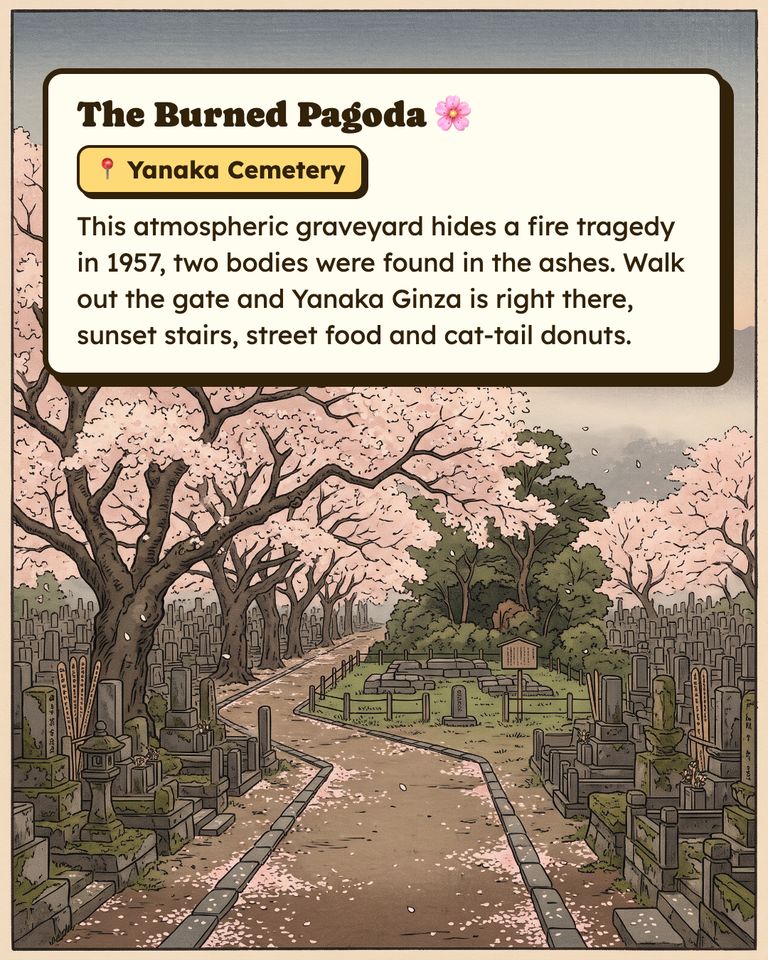
The cemetery is also the site of a tragic historical event. In 1957, a five-story pagoda that once stood proudly within the grounds was consumed by fire and burned entirely to ashes. When emergency responders examined the site after the flames were extinguished, two bodies were found in the ruined foundation. Today, the loss of the pagoda remains an indelible part of the graveyard's history.
Visiting the cemetery provides a quiet, contemplative pause during a day of sightseeing. The location is also very convenient for continuing your exploration. You can walk right out the gate, and the Yanaka Ginza shopping district is directly there. You will find the famous sunset stairs, vibrant street food stalls, and the neighborhood's well-known cat-tail donuts, making it simple to balance a historical walk with an afternoon food tour.
Sunshine 60 in Ikebukuro: A Modern Landmark Over Sugamo Prison
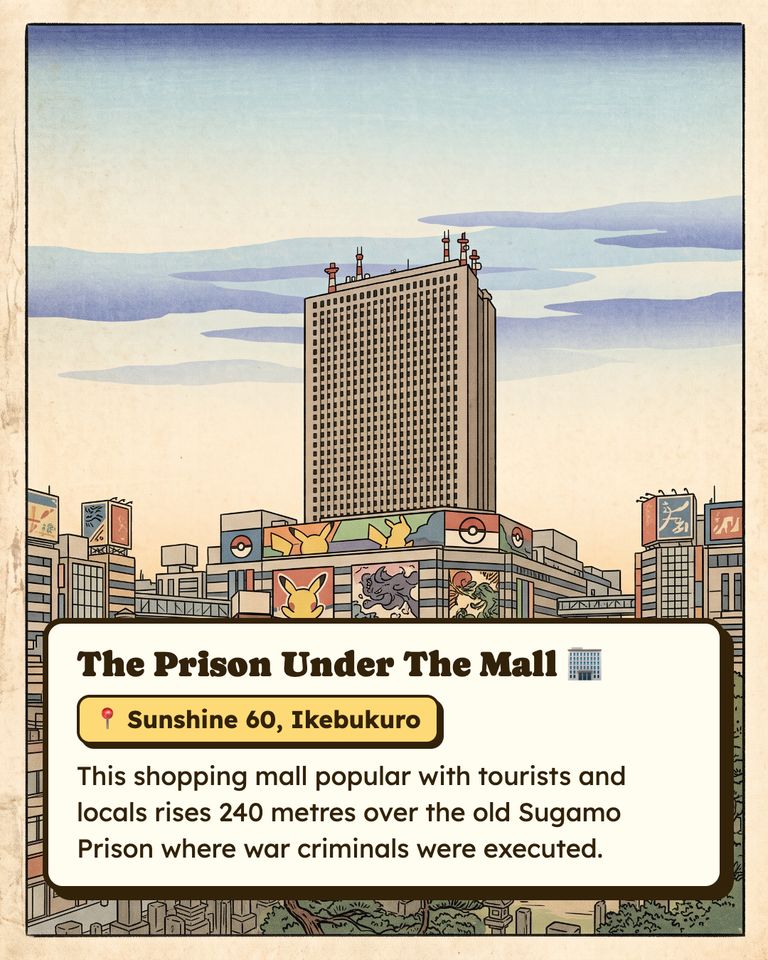
Ikebukuro is a major commercial hub in northern Tokyo, and Sunshine 60 stands at its heart. Rising 240 metres into the city skyline, the tower and its surrounding complex form a shopping mall that is deeply popular with both local shoppers and international visitors. The area is constantly alive with activity, retail shops, and dining establishments.
The tower sits directly on the former grounds of Sugamo Prison. Following the conclusion of World War II, this facility was used by the Allied authorities to hold Japanese military and political figures, and it was the site where convicted war criminals were executed. The prison was eventually dismantled to make way for urban redevelopment, resulting in the massive skyscraper that dominates the area today.
Because of this somber background, Sunshine 60 has long held a reputation in local lore as a place where the past lingers beneath commercial bustle. When visiting Ikebukuro to browse the shops or explore the mall, taking a moment to consider the ground beneath the 240-metre tower provides a striking reminder of Tokyo's wartime and postwar transformation.
Inokashira Park in Kichijoji: The Jealous Lake Goddess
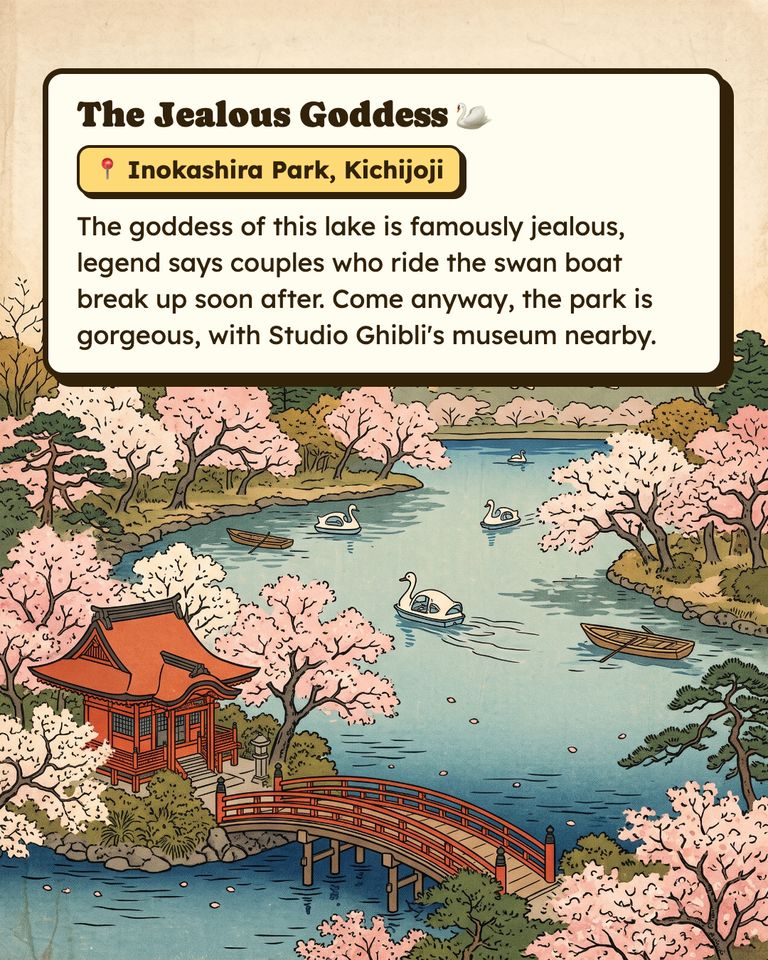
Located in Kichijoji, Inokashira Park is a favorite weekend escape for travelers and residents seeking water views and walking trails. It is particularly famous for its central pond, where visitors frequently rent swan-shaped paddle boats to glide across the water beneath hanging branches.
According to widespread local legend, the goddess associated with the lake possesses a fiercely jealous nature. The folklore warns that any romantic couple who takes a swan boat out onto the water will break up soon after their excursion. Despite this ominous warning, the lake remains filled with visitors every week.
I always recommend visiting the park regardless of whether you choose to rent a boat. The grounds are scenic and relaxing, offering shaded paths and quiet rest areas. In addition, the park is conveniently located with Studio Ghibli's museum nearby, allowing you to combine a pleasant walk through the park with an excursion to one of Tokyo's most celebrated cultural destinations.
Shibuya Station: The Late-Night Phantom of Teke Teke
Shibuya Station is one of the busiest transit hubs on earth, channeling millions of commuters through its labyrinth of train platforms, underground passageways, and crowded exits each day. During daytime hours, the station feels entirely defined by bright lighting, commercial screens, and steady foot traffic.
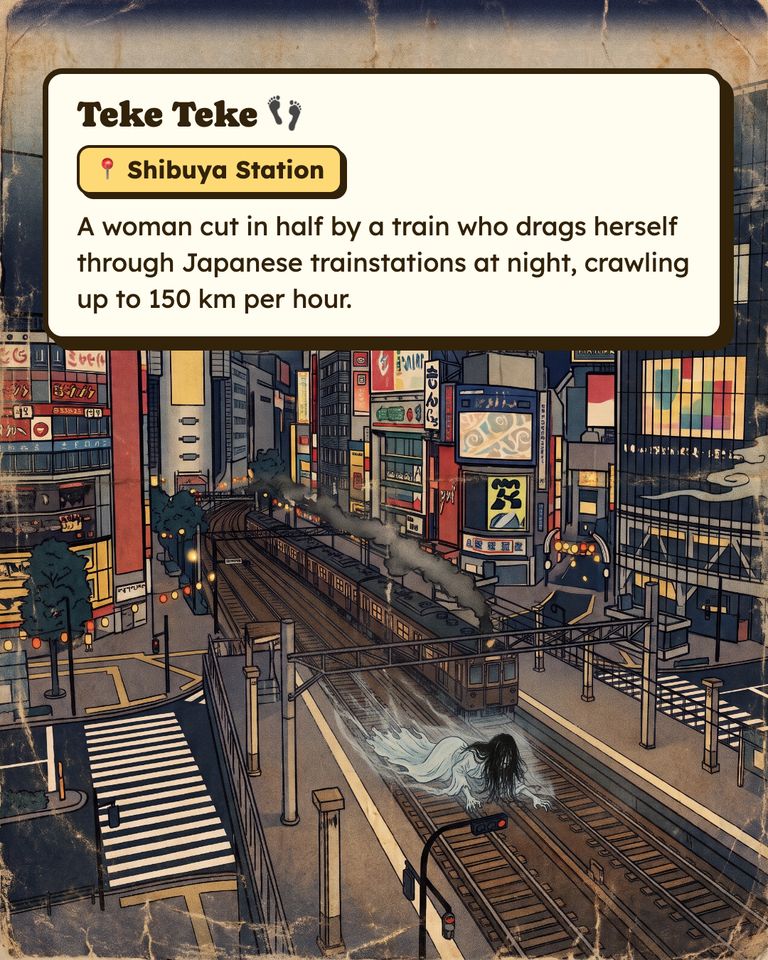
When night falls and the crowds thin, the station becomes associated with one of Japan's most frightening modern urban legends: the tale of Teke Teke. In urban folklore, Teke Teke is the spirit of a woman who was cut in half by a train. According to the legend, she drags her upper torso through Japanese train stations late at night, moving with unnatural agility and crawling at speeds of up to 150 km per hour. The name comes from the scratching sound her elbows make as she pulls herself across station floors.
For travelers returning through Shibuya on late-night transit lines, the vast, echoing corridors take on a very different feeling once the peak commuter rush subsides. Knowing the legend adds an unmistakable chill to the ordinary experience of catching the last train back to your hotel.
Edo Castle East Gardens: Stone Foundations and Hitobashira
The East Gardens of the Imperial Palace, occupying the historical grounds of Edo Castle, are among the most visited historical landmarks in central Tokyo. Visitors travel from around the world to walk the expansive lawns and admire the massive, intricately fitted stone walls that have stood for centuries.
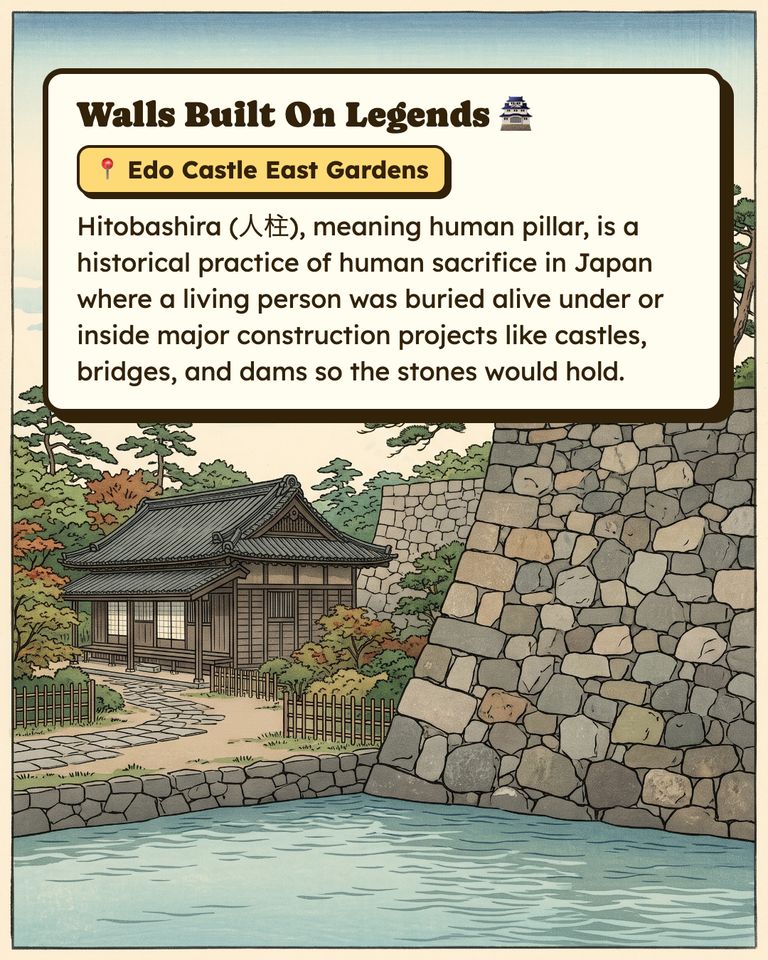
These formidable walls, however, are tied to the somber tradition of hitobashira, which translates directly to human pillar. In Japanese history, hitobashira was a sacrificial practice in which a living person was buried alive within or beneath the foundation of major engineering works, such as castles, bridges, and river dams. The belief was that offering a human life to the spirits would appease natural forces and ensure that the heavy stone structures would remain stable and never collapse.
When you walk past the massive ramparts of the Edo Castle East Gardens today, the sheer scale of the stonework is impressive. Considering the legends of human pillars embedded in the foundations adds an eerie historical weight to what otherwise appears to be a tranquil public park.
Kabukiza in Ginza: The Cursed Stage and Ghostly Dramas
Situated in the upscale Ginza district, Kabukiza serves as the principal stage for traditional kabuki theater in Tokyo. With its grand, traditional facade set against modern city offices, the theater remains an essential cultural landmark for anyone interested in classic performing arts.
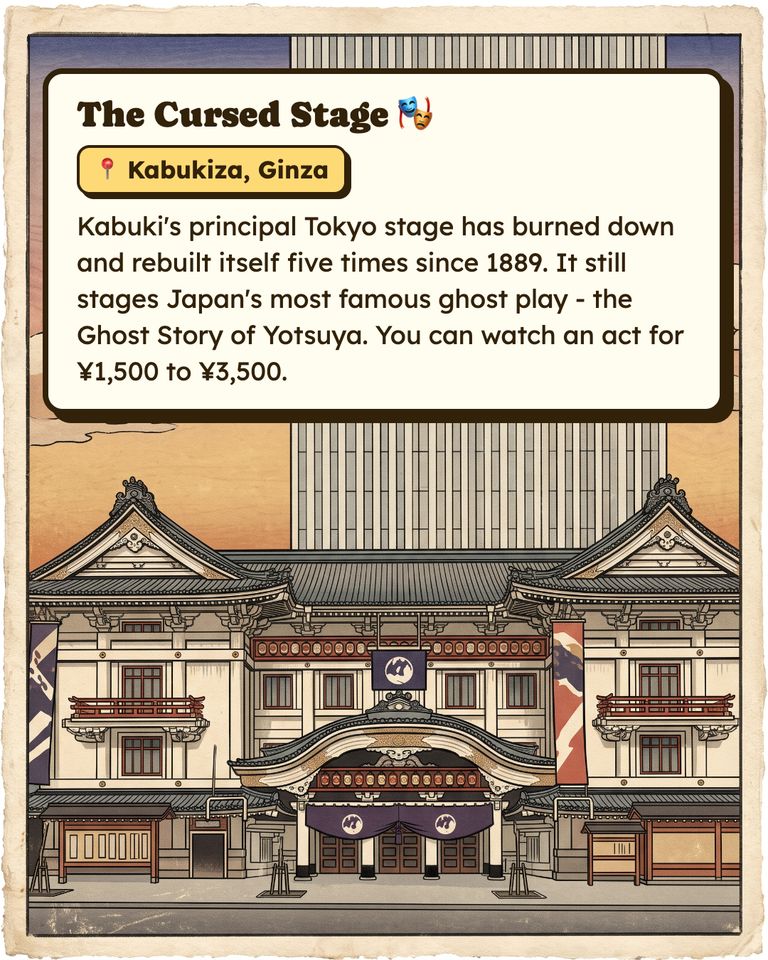
The theater carries a long history of destruction and renewal. Since first opening in 1889, Kabukiza has burned down and rebuilt itself five separate times. Alongside its cycle of fires, the theater maintains a deep connection with the supernatural through its performance repertoire. It regularly stages Japan's most famous ghost play, the Ghost Story of Yotsuya, a legendary tale of betrayal and vengeful spirits that has challenged actors and stage crews for generations.
Attending a performance at Kabukiza is surprisingly accessible for independent travelers. While full-length kabuki programs can run for several hours, you can purchase tickets to watch a single act for 1,500 yen to 3,500 yen. This affordable option lets you step inside the historic venue, take in the atmosphere of the storied stage, and experience the centuries-old dramatic traditions that survived repeated fires throughout the modern era.
Exploring the Shadowed Side of Tokyo
Travel in Tokyo often focuses on the bright, the modern, and the energetic. Yet taking the time to notice the older stories woven into the city reveals an entirely different perspective. A single day of exploring can take you from the roller coaster at Hanayashiki in Asakusa down to the burned pagoda site at Yanaka Cemetery, through the tower at Sunshine 60, across the waters of Inokashira Park, into the transit passages of Shibuya Station, past the castle walls at Edo Castle East Gardens, and finally to the stage at Kabukiza.
These seven locations demonstrate that history in Tokyo is never simple. Whether grounded in documented historical fires, wartime prisons, or ancient sacrificial traditions, the eerie side of the city offers travelers a fascinating journey through folklore and memory. As you navigate these famous stops, keep their legends in mind, and you will see the capital through a very different lens.